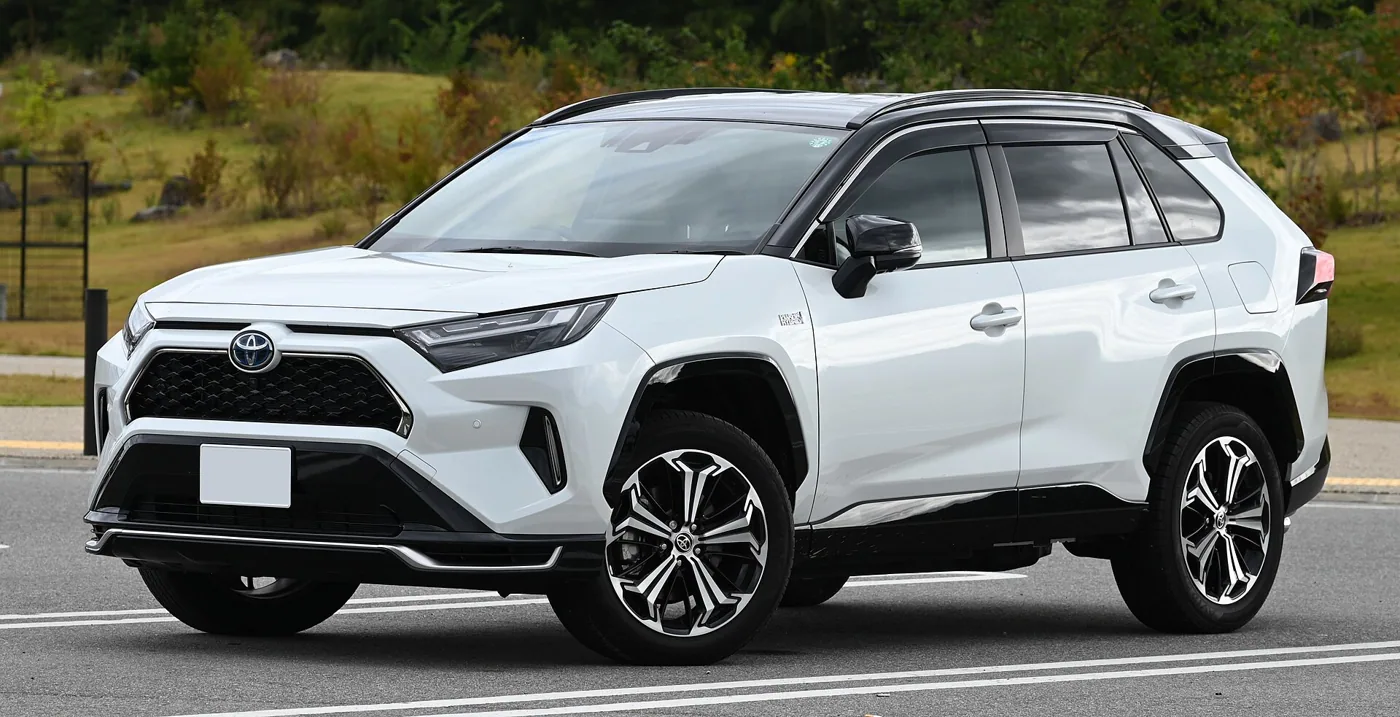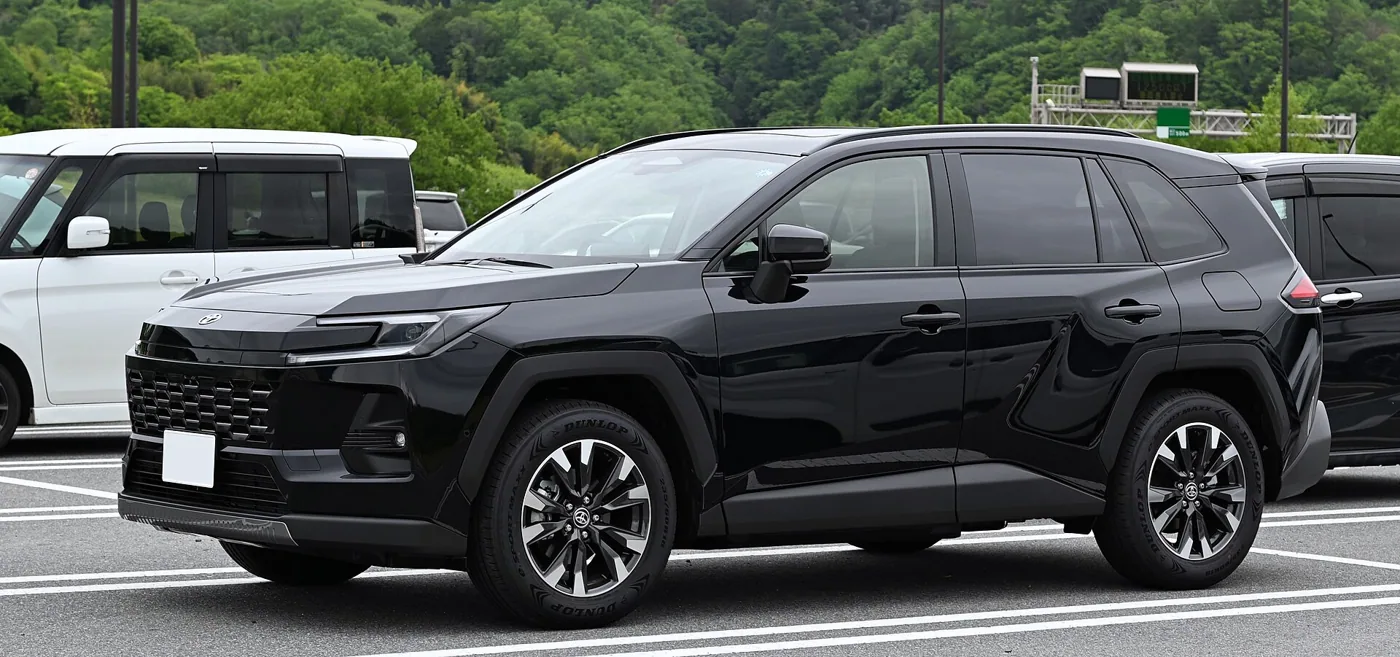
A history report can answer important questions about a used car, but it cannot observe everything that has happened to it. Some events are never reported, and records may arrive with delays or inconsistencies. Use the report to guide an investigation rather than as a certificate that the vehicle has no problems.
- Match the vehicle identity across the car and every document.
- Read service history against the correct maintenance schedule.
- Use an independent inspection to investigate what records cannot show.
Match identity before interpreting history
Check that the vehicle identification number on the car agrees with the documents and the report. Establish the seller's authority to sell and follow the registration process required in your country. If details conflict, resolve them before committing funds. A convincing story is not a substitute for a consistent documentary trail.
Read the chronology carefully. Changes in mileage, location or use deserve explanation when they do not make sense. An irregularity does not automatically prove wrongdoing, but it creates a question that should be answered with evidence. Keep copies of the documents and any written clarification supplied by the seller.
Use maintenance records as a pattern
Look for work that matches the manufacturer's schedule for the actual engine, transmission and use conditions. A stack of receipts can be reassuring without being complete. Identify gaps and ask whether major scheduled items have been performed. The distinction between a recent oil change and a properly maintained vehicle is substantial.
The quality of the explanation matters as well. A seller who can show what was repaired, why and by whom gives you a stronger basis for inspection. A claim that the car has never needed anything may simply mean that needed work was postponed. Evaluate condition and records together.
Commission an independent inspection
An inspector can assess visible repairs, corrosion, leaks, tire wear and mechanical behavior that a database cannot capture. Ask for a written report that distinguishes urgent concerns from routine wear. Agree the scope beforehand, especially for unusual powertrains or expensive optional systems. A general inspection may not include every specialist diagnostic.
The FTC recommends an independent inspection when buying a used car, including when a seller offers a warranty or certification. Those arrangements can be useful, but their names do not explain their full coverage. Read the terms and determine which findings, if any, remain your responsibility after purchase.
Turn findings into a decision
Check outstanding recalls through the relevant authority or manufacturer using the vehicle's identity. NHTSA provides a US safety-issue search, while other markets have their own systems. Confirm completion where a campaign is listed as open or the history is unclear. A database entry and proof of completed work are different pieces of evidence.
Then decide whether the remaining uncertainty is acceptable at the agreed price. Some findings justify a repair allowance, some require further investigation and some make walking away sensible. A good process does not need every used car to be perfect. It needs the buyer to understand what is known, what is unresolved and what that means for ownership.
Sources & further reading
These references provide background for this analysis. Product details, regional rules and market conditions can change; check the original source for its scope and date.
Something needs a closer look? Send a correction.