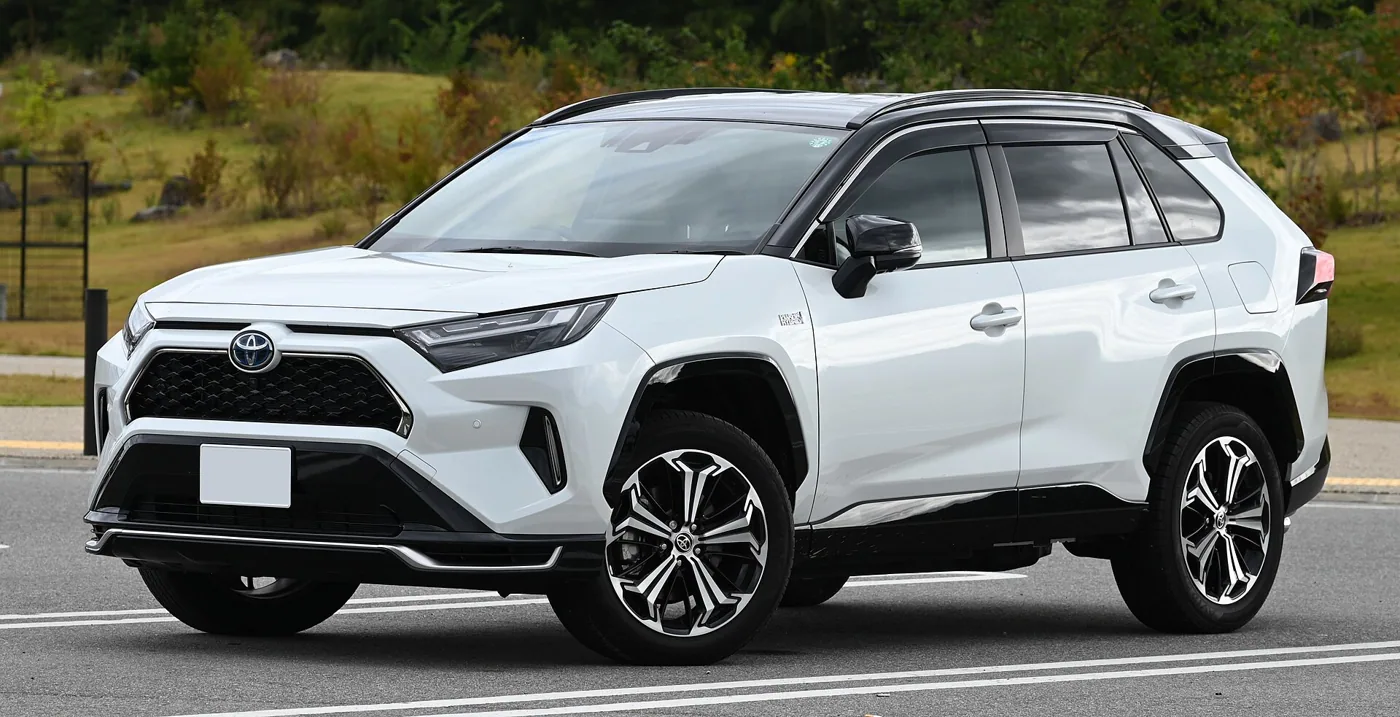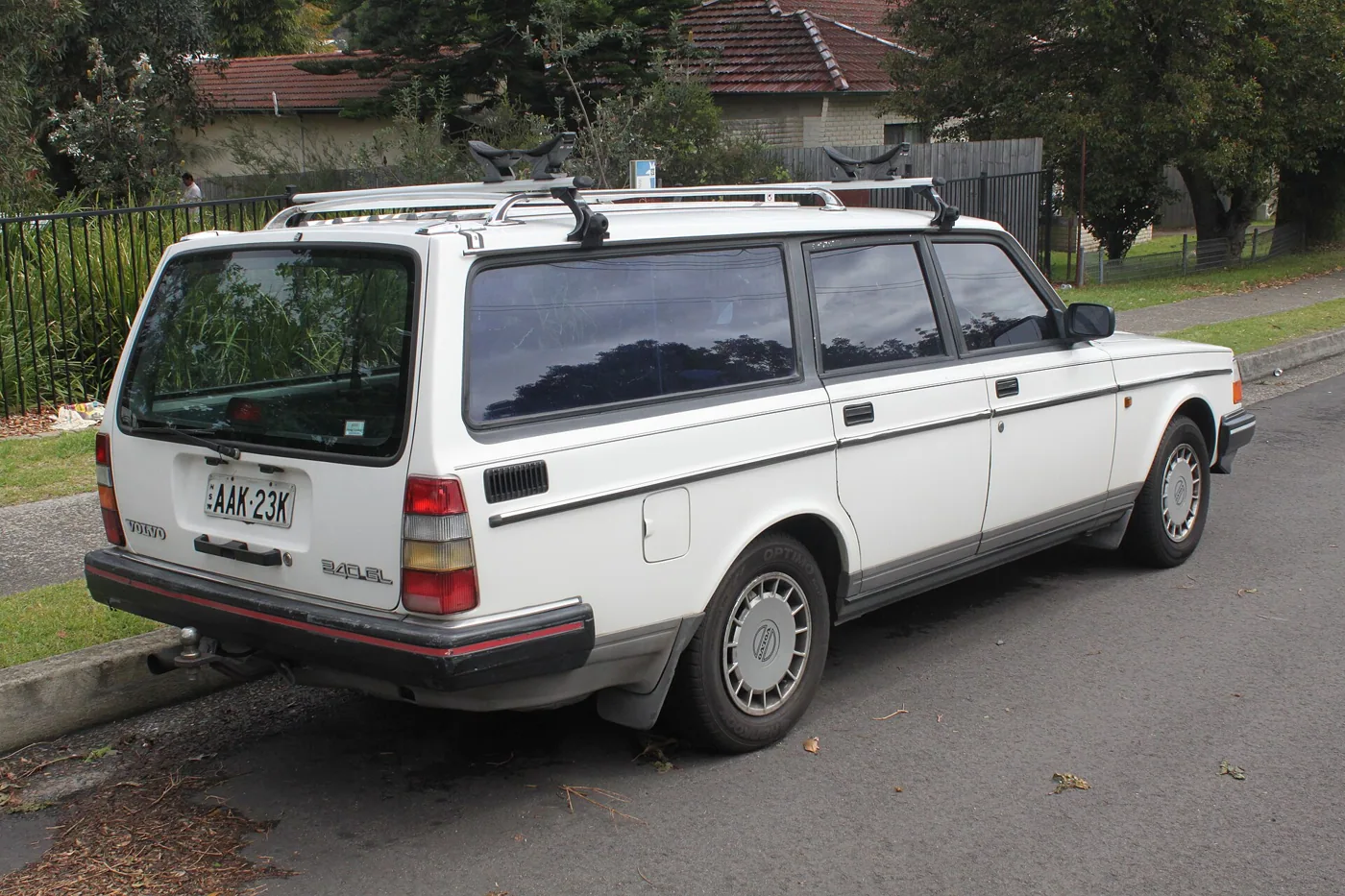
Depreciation is easy to describe after a vehicle has been sold and difficult to predict before it has been bought. The difference matters. An online estimate may look precise, but future supply, demand, condition and mileage remain uncertain. Treat resale value as a scenario input rather than a guaranteed discount on the price paid today.
- Calculate from your actual purchase price rather than the original list price.
- Use at least three plausible resale scenarios.
- Buy a vehicle you could keep longer if market conditions disappoint.
Start with the price you actually pay
A percentage loss calculated from an original list price can be misleading if the vehicle is purchased at a different price. What matters to your ownership is the amount you pay and the amount you eventually receive. Fees and transaction costs deserve their own line, since money spent completing a purchase may not add resale value.
Compare examples with similar age, mileage, equipment and condition when forming a working estimate. Advertised prices are requests, not necessarily completed transaction prices. A car listed for months may tell a different story from one that sells promptly. Use multiple observations and acknowledge the limits of the available evidence.
Distinguish controllable and external factors
Mileage, maintenance records and avoidable damage are partly within an owner's control. Changes in new-car pricing, technology, fuel costs and buyer preferences are not. This distinction helps prioritize effort. Keeping clear service documentation is a practical action; assuming you can predict the next shift in consumer taste is a much less dependable plan.
Options complicate the calculation. An expensive feature can make a vehicle more desirable without returning its full original cost. Buy an option because its use is worth the price to you, unless there is strong local evidence for a resale benefit. A salesperson's general claim about future demand should not substitute for that evidence.
Test the financial consequences
Suppose two hypothetical cars cost the same to buy, but your central resale estimates differ by 3,000 after the chosen ownership period. Now lower the optimistic estimate and raise the conservative one. If the ranking changes easily, depreciation does not provide a strong reason to prefer either vehicle. Other practical differences should receive more weight.
The length of ownership changes the exposure. A short holding period makes transaction costs and near-term market conditions particularly important. A longer period spreads some initial costs across more years, while introducing more maintenance uncertainty. Neither period guarantees a lower annual cost; the useful comparison includes both sides of that tradeoff.
Choose a car you can afford to keep
A resilient purchase does not depend on selling at exactly the right moment. Consider whether you could keep the car longer if the market disappointed you, and whether its practical suitability would still hold. This is one reason to prioritize genuine needs over a feature that feels exciting only during the buying process.
Avoid reading the depreciation curve as a verdict on the car's quality. A heavily depreciated vehicle can offer attractive utility to the next buyer, while a sought-after vehicle can still be unsuitable for your life. Resale value is part of the ownership calculation. It should inform the choice without taking over the entire decision.
Sources & further reading
These references provide background for this analysis. Product details, regional rules and market conditions can change; check the original source for its scope and date.
Something needs a closer look? Send a correction.