A bright white lamp can look advanced in a showroom while telling you little about the road it illuminates. Headlight quality depends on where the light goes, how consistently it covers the required area and how it affects other road users. The technology inside the housing is only part of that result.
- Check performance for the exact headlight package and market.
- Distinguish high-beam assistance, curve adaptation and adaptive beam shaping.
- Keep lenses and aiming in proper condition using approved service methods.
Separate the light source from the beam
Halogen, discharge and LED describe different ways of producing light. Reflectors, projectors, aiming and control shape how that light is used. IIHS evaluates headlight performance through on-road illumination and glare criteria, rather than awarding a good result simply because a particular light source is fitted.
For buyers, this means checking the exact headlight package. A model can offer several systems across trims or markets. A favorable assessment for one version should not automatically be assigned to another vehicle with the same model name but different lamps.
Understand the different adaptive functions
Automatic high-beam assistance switches between low and high beams under its operating conditions. Curve-adaptive lamps can direct light into bends. Adaptive driving beams can selectively shape the high-beam pattern around other vehicles. These are different functions, and marketing language sometimes makes their distinctions harder to see.
Availability and operation can vary by market and model year. Confirm what the actual car supports and read its instructions. Do not assume a feature shown in an overseas review will behave identically on a local vehicle. The hardware name alone may not describe the enabled functionality.
Assess the ordinary nighttime tasks
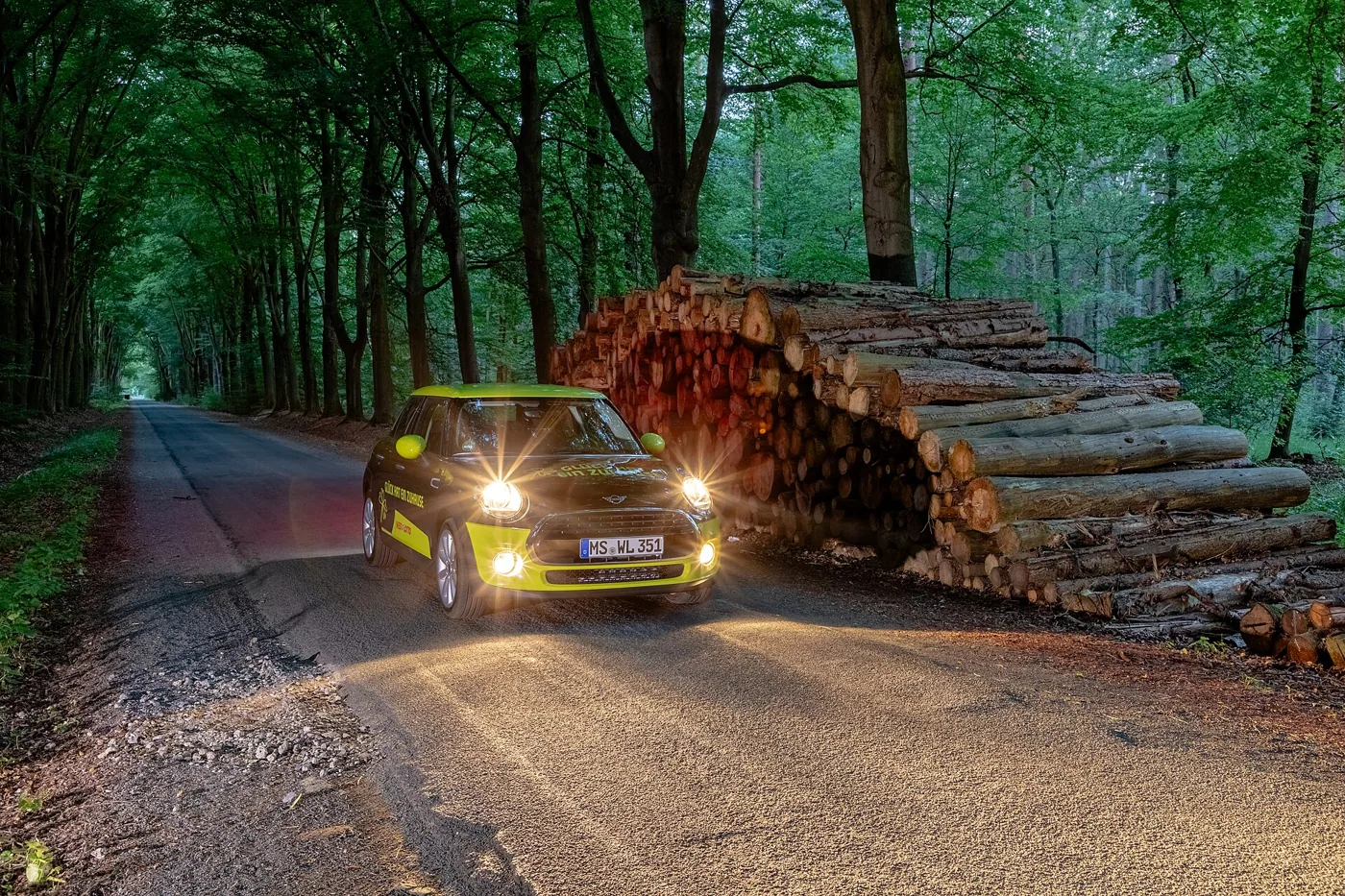
A useful evaluation includes an unlit road where lawful and safe, familiar bends and the clarity of signs and road edges. Notice whether the lighting makes the scene easier to understand without encouraging you to drive beyond the visible distance. A showroom wall demonstration cannot reproduce the whole task.
Also consider the controls. The driver should be able to identify the selected lighting state and operate demisting and cleaning functions appropriately. A capable automatic system still needs understandable feedback and a clear manual override. Convenience loses value when the driver cannot tell what the car is doing.
Maintenance preserves the designed result
Dirty lenses, damage or incorrect aiming can affect performance. Follow the vehicle's maintenance guidance and use appropriate professional adjustment when needed. Replacing a light source with an unapproved alternative can change the optical system in unintended ways; consult the correct technical and local requirements for any replacement.
The buying decision should reward verified road illumination and practical usability. A sophisticated lamp can be worthwhile, particularly for regular night travel, but its cost should be tied to demonstrated benefit. Good lighting helps reveal the road calmly and consistently. Its success is judged from the driver's view and the effect on others, not from a photograph of the lamp itself.
Sources & further reading
These references provide background for this analysis. Product details, regional rules and market conditions can change; check the original source for its scope and date.
Something needs a closer look? Send a correction.