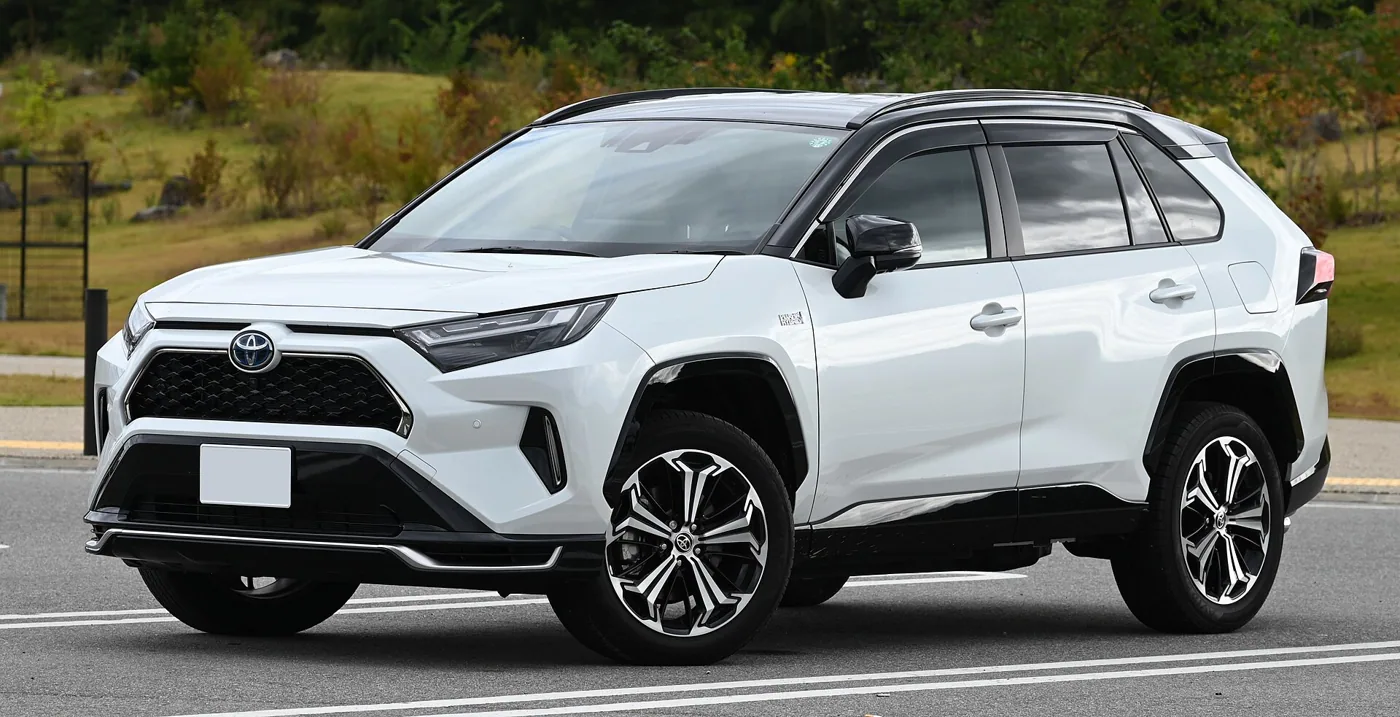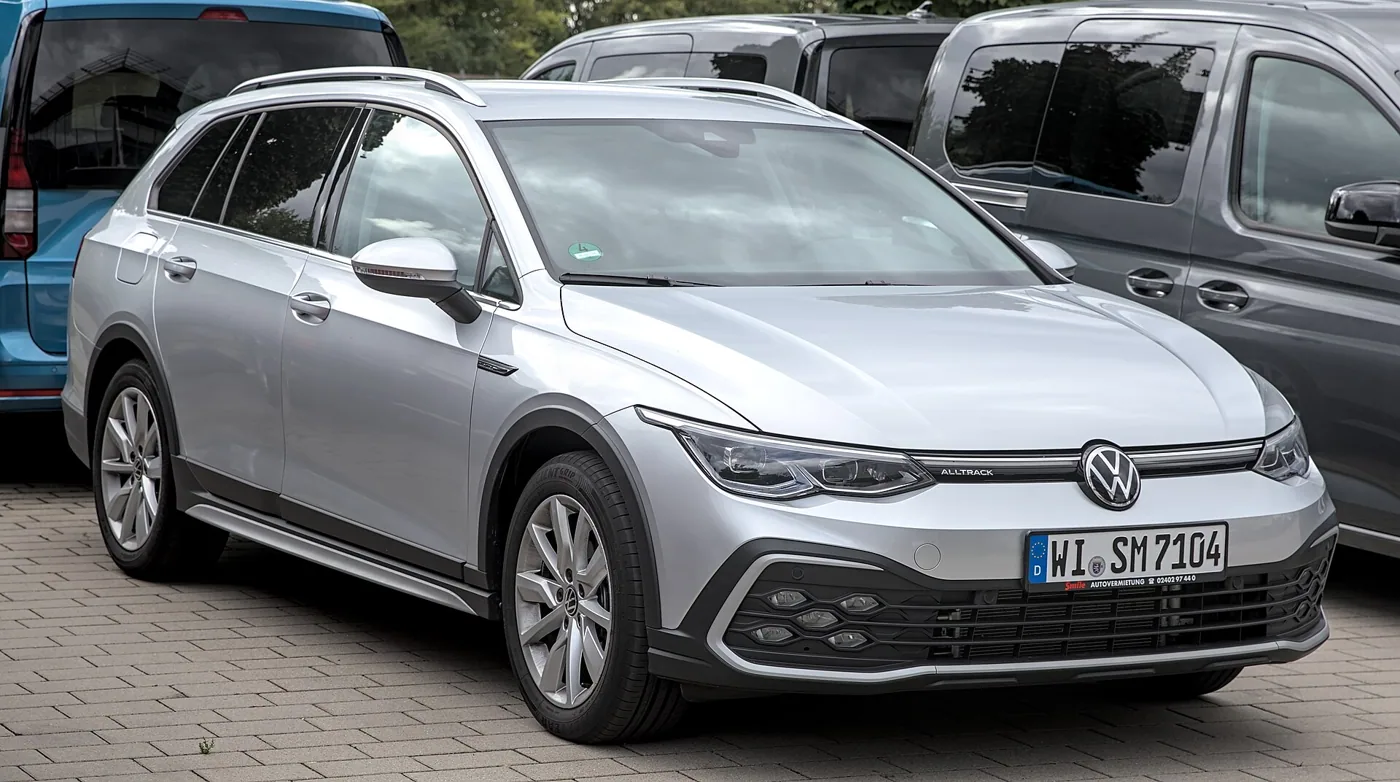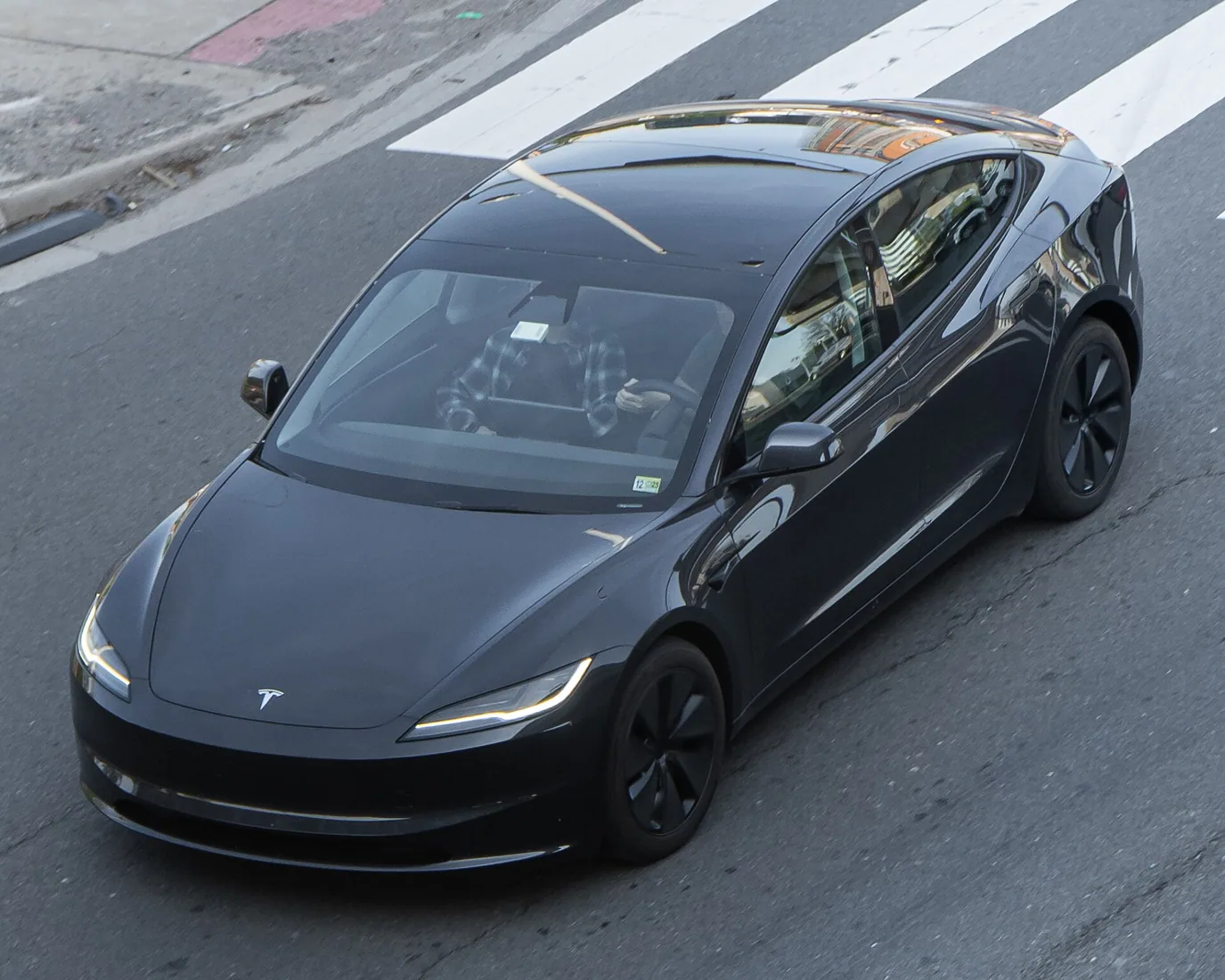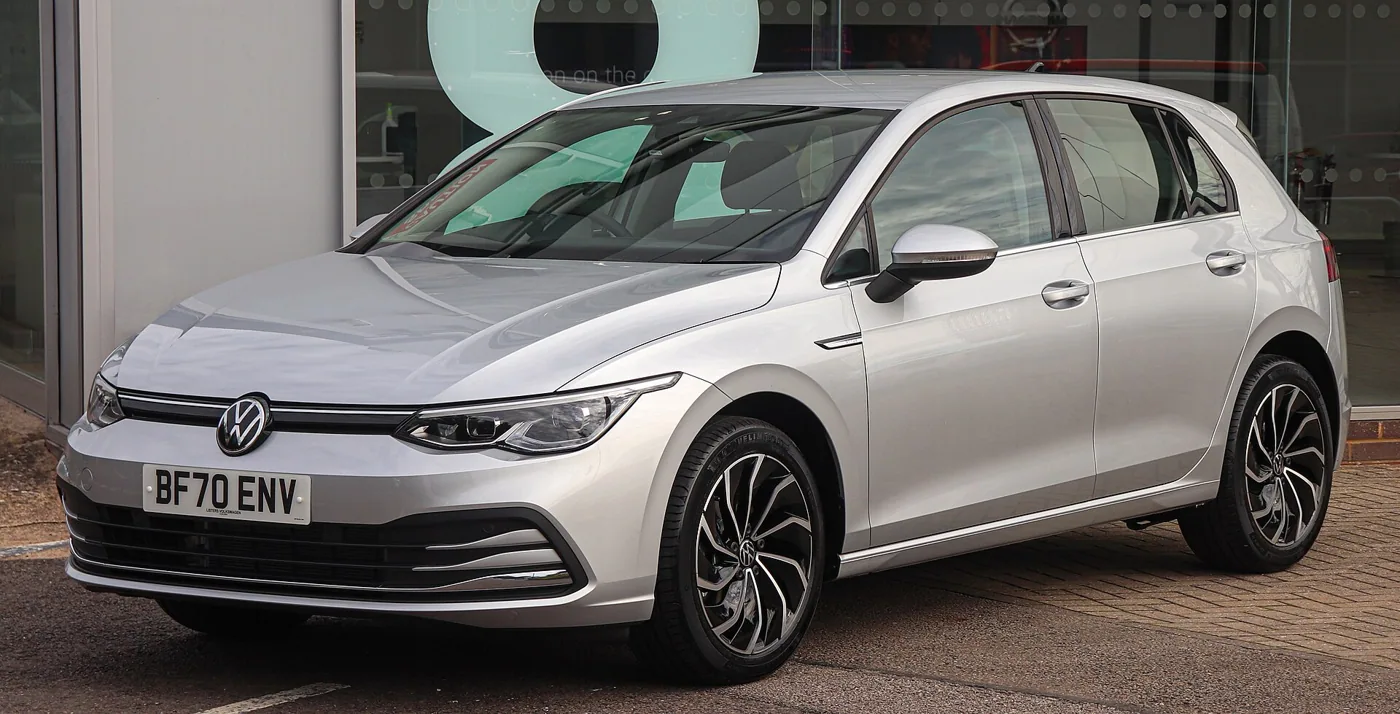
The hatchback-versus-SUV debate often becomes an argument about image. A more useful comparison starts with geometry. What must fit inside, how easily can people enter, and how much exterior space can you comfortably manage? Two vehicles from different categories can solve the same transport problem while imposing very different everyday compromises.
- Measure the cargo opening and floor rather than relying only on litres.
- Test passenger access in a realistically narrow parking space.
- Compare exact vehicle variants for consumption and safety evidence.
Look beyond the cargo-volume number
Cargo measurements describe a volume under a particular method. They do not reveal whether your largest regular item passes through the opening. Measure the width between wheel housings, the height below the cover and the length with the rear seats in their normal position. A long, low load can favor a different shape from a tall, narrow one.
Inspect the transition when the seats fold. A step or steep angle may matter more than a small difference in quoted capacity. Consider where the parcel shelf goes when removed and whether the loading floor hides useful storage. An easily reached compartment can be valuable for cables or muddy equipment that you do not want beside groceries.
Treat seat height as a personal fit
A higher seat can reduce the distance some passengers need to lower themselves, but it can require others to climb. Try access with the people who will use the vehicle. Open the door only as far as a realistic parking space allows. A showroom with unlimited space can disguise an awkward sill or a door that needs a very wide arc.
For a child seat, evaluate the lifting motion and roof clearance rather than assuming height guarantees convenience. For adults, check the relationship between seat cushion, floor and roof. A tall exterior does not automatically provide a comfortable seating posture. The usable arrangement depends on how the cabin has been packaged.
Include the space outside the cabin
Measure the parking bay and the route into it, including mirrors where relevant. Think about turning into a narrow garage after dark or loading luggage beside another vehicle. If a larger vehicle makes those tasks difficult several times a week, that cost is real even though it does not appear on an invoice.
Compare consumption for the exact variants under consideration instead of applying a category stereotype. Drivetrain, tires, mass and aerodynamics all contribute. The EPA comparison tool is useful for consistent US-market figures, but overseas buyers should use the appropriate local test information and avoid treating unlike test cycles as directly interchangeable.
Let the use case settle the label
If you regularly carry tall equipment or value a particular seating position, an SUV may justify its footprint. If most journeys carry one or two people and normal luggage, a hatchback may provide everything required. Neither conclusion follows automatically from the badge on the rear. Test the actual configuration with the actual load.
Safety should be examined at vehicle level as well. Read the relevant crash and avoidance assessments for the year and equipment being purchased. A body-style label cannot replace that evidence. The stronger choice is the one that combines useful space, manageable dimensions and a clear understanding of the tradeoffs.
Sources & further reading
These references provide background for this analysis. Product details, regional rules and market conditions can change; check the original source for its scope and date.
Something needs a closer look? Send a correction.